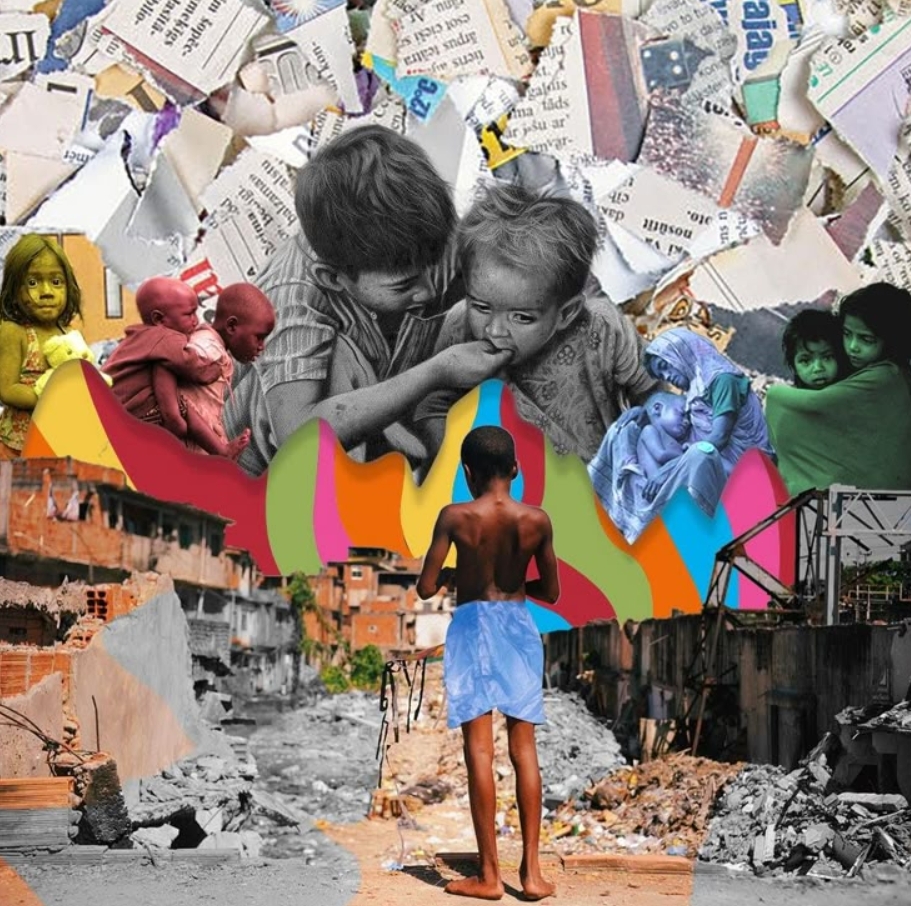
Children are the most vulnerable members of society, yet they hold the greatest potential for shaping our future. Children’s rights are not privileges; they are fundamental human rights recognized globally. From access to education and healthcare to protection against exploitation, these rights ensure that every child grows up in a safe, supportive environment
What Are Children’s Rights?
Children’s rights are legal, social, and moral entitlements designed to safeguard their well‑being. According to the UN Convention on the Rights of the Child (CRC), these rights include:
- Right to Survival
- – access to food, shelter, and healthcare.
- Right to Development – education, play, and cultural participation.
- Right to Protection – freedom from abuse, neglect, and exploitation.
- Right to Participation – having a voice in matters affecting them.
Why Children’s Rights Matter
- Education empowers children to break cycles of poverty.
- Healthcare ensures survival and healthy growth.
- Protection shields them from child labor, trafficking, and violence.
- Participation builds confidence and leadership for future generations
Children’s Rights in the Digital Age
With the rise of technology, children face new challenges such as cyberbullying, online exploitation, and privacy concerns. Safeguarding children’s rights in the digital environment is now as critical as protecting them offline.
Children’s rights are the foundation of a just and compassionate society. Protecting them is not optionalit is a collective responsibility. Governments, NGOs, communities, and individuals must work together to ensure that every child enjoys their rights fully.